


.png)
.png)
.png)
.png)
.png)
.png)
Marketing Manager for Small Businesses

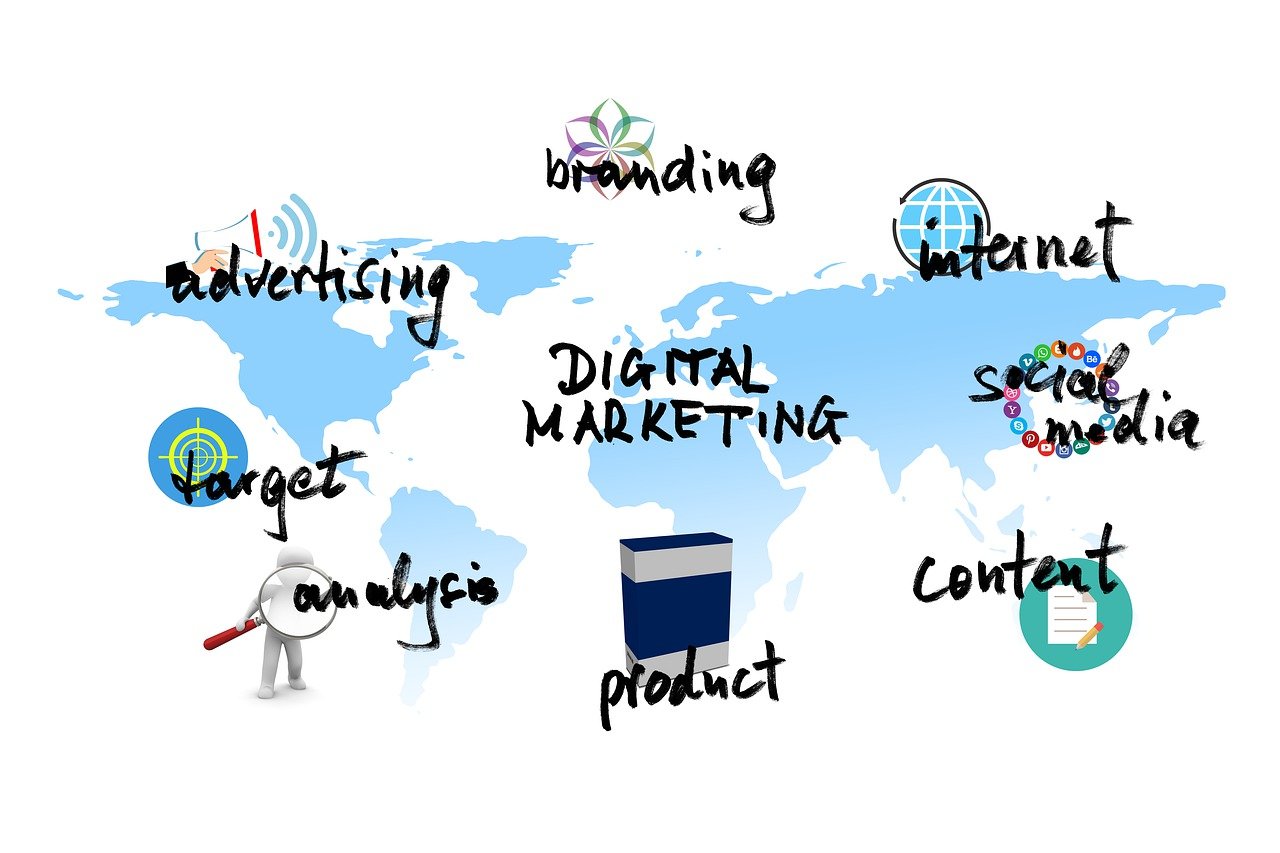
In today's fast-paced digital world, small businesses face a unique set of challenges and opportunities. One of the keys to their success lies in harnessing the power of digital marketing. Whether you're a small business owner or a digital marketing professional, this blog post will guide you through essential strategies to help small businesses thrive in the digital landscape.
1. Build a Strong Online Presence
A well-designed and user-friendly website is the cornerstone of your online presence. It's often the first point of contact for potential customers. Ensure your website is responsive, loads quickly, and offers valuable content. Optimize it for search engines (SEO) to improve visibility in search results.
2. Content is King
Content marketing is a cost-effective way for small businesses to establish authority and connect with their target audience. Create informative and engaging blog posts, videos, infographics, and eBooks that address the needs and interests of your customers. Valuable content not only attracts visitors but also builds trust.
3. Embrace Social Media
Social media platforms like Facebook, Instagram, Twitter, and LinkedIn provide powerful tools to connect with your audience. Identify the platforms most relevant to your business and create engaging posts. Use social media advertising to reach specific demographics and promote your products or services.
4. Local SEO Matters
For small businesses, local SEO is essential. Optimize your online presence for local searches by claiming and verifying your Google My Business listing. Encourage customer reviews, and ensure your business information (name, address, phone number) is consistent across online directories.
5. Email Marketing for Customer Retention
Email marketing remains a highly effective way to nurture customer relationships. Build and segment your email list, and send personalized content, promotions, and updates. Email marketing helps keep your brand top of mind and encourages repeat business.
6. Pay-Per-Click (PPC) Advertising
PPC advertising allows you to display targeted ads to potential customers on search engines and social media platforms. Small businesses can benefit from highly focused campaigns that generate immediate leads and sales.
7. Monitor and Adapt
Digital marketing success requires ongoing monitoring and adaptation. Use analytics tools to track website traffic, conversion rates, and user behavior. Adjust your strategies based on data-driven insights to optimize your marketing efforts continually.
8. Customer Engagement and Feedback
Engage with your customers on social media and through feedback mechanisms on your website. Listen to their concerns and suggestions. Positive engagement and responsive customer service can set small businesses apart from larger competitors.
9. Leverage Partnerships
Collaborate with complementary small businesses or influencers in your industry to expand your reach. Cross-promotions, co-branded content, and joint marketing efforts can be mutually beneficial.
10. Stay Informed and Adapt
The digital marketing landscape is ever-evolving. Stay informed about the latest trends, technologies, and best practices. Be prepared to adapt your strategies to meet the changing needs of your audience and remain competitive.
In conclusion, digital marketing is a game-changer for small businesses looking to thrive in today's digital age. By building a strong online presence, creating valuable content, and embracing various digital marketing channels, small businesses can connect with their target audience, build trust, and drive growth. As a digital marketing professional, you have the opportunity to help small businesses unlock their full potential and succeed in the competitive online marketplace.
